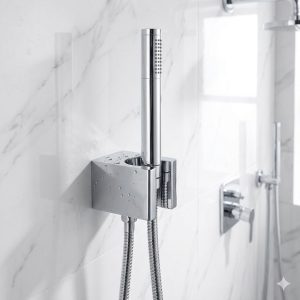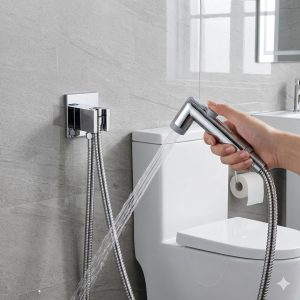
Have you ever found yourself standing in the shower, struggling to choose between the immersive relaxation of a rain shower and the practical convenience of a handheld spray? In 2026, you no longer have to compromise. The dual shower head system has become the gold standard for modern bathroom renovations, offering a versatile 2-in-1 solution that caters to every member of the household. Whether you are looking for a spa-like retreat or a highly functional setup for rinsing hair and cleaning the tub, a dual system is the ultimate upgrade.
What is a Dual Shower Head System?
At its core, a dual shower head system consists of two separate shower heads connected to a single water source via a specialized diverter. The most common configuration features a large, fixed rain shower head mounted at the top, paired with a detachable handheld shower head. This setup allows you to use either head individually or, in many high-end models, both at the same time for a truly immersive experience.
According to Wikipedia, the evolution of the modern shower has seen a massive shift toward multi-nozzle systems that prioritize user control. Unlike a high pressure shower head that focuses purely on velocity, the dual system focuses on coverage and multi-functionality. It effectively turns a standard stall into a multifunctional wet room.
The Magic of the 3-Way Diverter
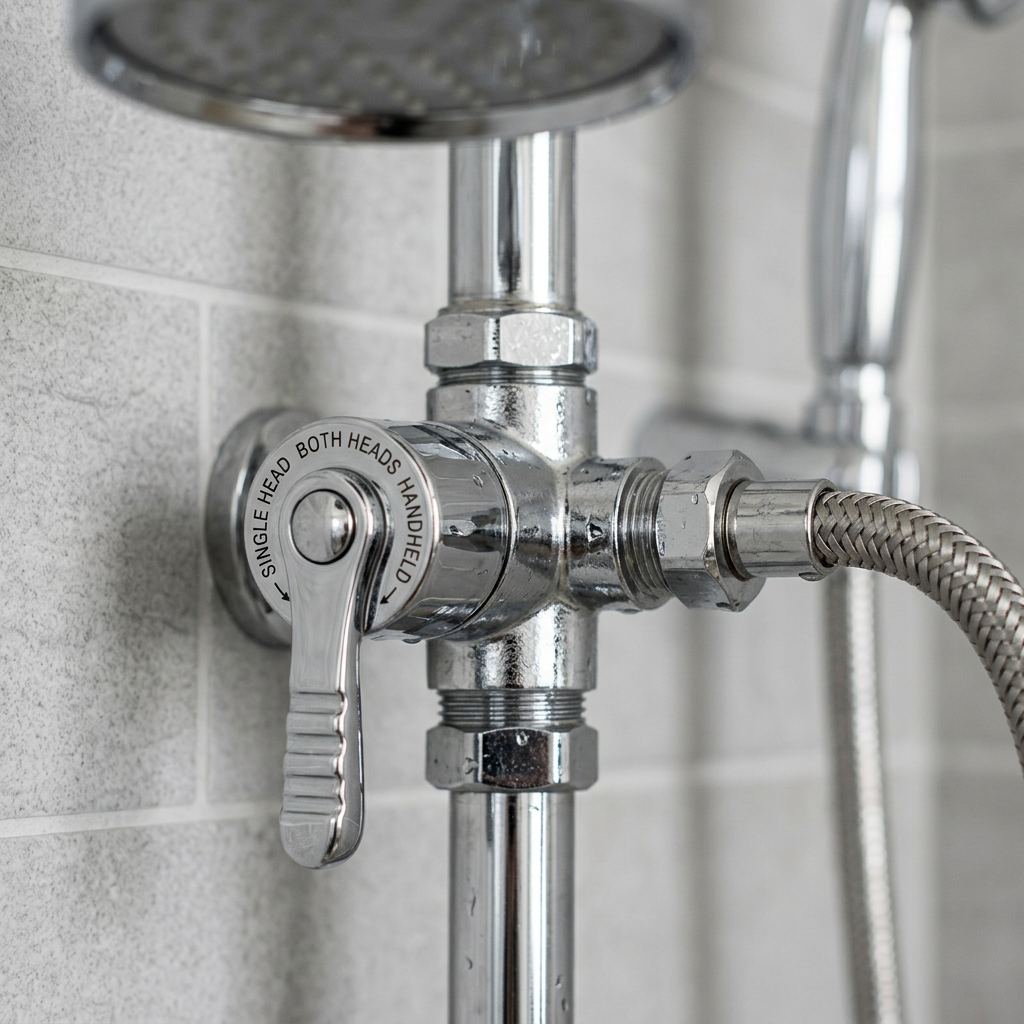
The secret behind the dual system’s flexibility is the 3-way diverter valve. This small but critical component allows you to direct water flow in three distinct ways: to the primary overhead head, to the secondary handheld unit, or to both simultaneously. For those building a custom setup, a high-quality angle valve diverter is essential to ensure smooth transitions and prevent leaks. Understanding how these valves function is key to troubleshooting low pressure issues or performing a DIY installation.
Top Benefits of Upgrading to a Dual System
Why are homeowners flocking to dual shower heads in 2026? The benefits range from physical wellness to household logistics.
Unmatched Versatility for Every Task
A dual shower head isn’t just a luxury; it’s a tool. The fixed rain head provides a relaxing, hands-free experience that is perfect for starting your day with a calm mind. Meanwhile, the handheld wand is indispensable for targeted rinsing. If you have thick hair that requires a focused stream to rinse out heavy conditioners, the handheld part is your best friend. It’s also perfect for bathing children or pets without getting your own hair wet, and it makes cleaning the shower walls significantly easier.

A Spa-Like Experience at Home
Modern dual systems often include multiple spray patterns for each head. You might have a gentle mist on the rain head and a powerful massage pulse on the handheld. By running both together, you can create a full-body water massage that rivals professional hydrotherapy treatments. This level of customization allows you to tailor your shower to your mood—invigorating in the morning and soothing at night.
Dual vs. Single: Which One is Right for You?
Choosing between a standard single head and a dual system depends on several factors. The table below outlines the key differences to help you decide.
| Feature | Single Shower Head | Dual Shower Head System |
|---|---|---|
| Installation Ease | Very Easy (5 mins) | Moderate (10-20 mins) |
| Flexibility | Limited | High (2-in-1 Functionality) |
| Cleaning Convenience | Low | High (Handheld reach) |
| Water Consumption | Low to Moderate | Moderate to High (if both on) |
| Price Range | $20 – $80 | $60 – $250+ |
DIY Installation: How to Upgrade in 20 Minutes
One of the best things about modern dual shower heads is that most are designed for tool-free, DIY installation. You don’t necessarily need to hire a professional plumber, though consulting a resource like Angi for complex bathroom plumbing advice is always a good idea.
- Remove the Old Head: Use a wrench (or your hands if it’s not too tight) to unscrew your existing shower head from the arm.
- Clean the Threads: Use a cloth to remove old plumber’s tape or mineral buildup from the shower arm threads.
- Apply New Tape: Wrap fresh Teflon tape around the threads to ensure a watertight seal.
- Attach the Diverter: Screw the 3-way diverter onto the shower arm.
- Install the Fixed Head: Attach the rain shower head to the top outlet of the diverter.
- Connect the Hose: Connect your stainless steel shower hose to the side outlet of the diverter and attach the handheld wand to the other end.
Choosing the Right Finish and Style
The look of your dual system should complement your bathroom’s overall aesthetic. In 2026, we see a strong divide between classic and contemporary styles.

Chrome is the go-to for durability and a bright, reflective shine that matches most traditional hardware. However, matte black is the rising star of 2026. It offers a sleek, industrial feel that doesn’t show water spots as easily as polished metal. If you are looking for more complex setups, you might also consider a three head shower system, which adds even more coverage via body jets.
Maintenance and Longevity Tips
Because dual systems have more moving parts and connections, maintenance is vital. Hard water can clog the diverter valve or the nozzles on both heads. To prevent this, consider installing a shower water filter. This will catch mineral sediment before it reaches your shower heads, preserving the life of the internal components and keeping your water pressure high.
In conclusion, a dual shower head system is a smart, relatively inexpensive investment that dramatically improves your daily quality of life. By combining the best of both worlds—rain and handheld—you create a bathroom that is as functional as it is beautiful. Choose a style that fits your home, follow the simple installation steps, and enjoy the luxury of choice every time you step into the shower.