For private label bathroom brands, importers, wholesalers, and project suppliers, working with the right OEM shower head manufacturer is the foundation of a stable product line. OEM manufacturing is not only about putting a logo on an existing product. A complete OEM program can include product concept development, technical drawings, tooling, material selection, spray coating, electroplating, logo customization, packaging design, quality control, and bulk delivery planning.
When the process is managed well, private label brands can build unique shower head collections that match their target market, price level, and brand positioning. When the process is managed poorly, buyers may face delays, finish defects, leaking problems, packaging mistakes, and inconsistent repeat orders. This guide explains the complete OEM shower head manufacturing workflow so overseas buyers can understand what to prepare, what to ask, and how to reduce risk before mass production.
What OEM Shower Head Manufacturing Means
OEM stands for Original Equipment Manufacturer. In the shower products industry, it usually means that a factory manufactures shower heads according to a buyer’s brand, specifications, design changes, packaging requirements, or market needs. Some OEM projects use existing factory models with small adjustments. Others require new moulds, customized functions, special finishes, exclusive packaging, and strict inspection standards.
Private label brands should understand the difference between simple branding and full OEM development. Simple branding may involve adding a logo, changing packaging, and selecting a finish from available options. Full OEM development may include new shape design, structural engineering, mould development, spray mode testing, material decisions, and repeat-order quality management. If you are planning a complete private label program, Bright Showers’ OEM/ODM page is a useful internal reference for understanding the type of cooperation that can be discussed with a shower product supplier.
OEM vs ODM for private label brands
OEM usually starts from the buyer’s requirement, drawing, sample, or brand specification. ODM usually starts from the factory’s existing design and development resources, which the buyer can customize for its own market. Many private label shower head projects combine both approaches. For example, a buyer may choose an existing hand shower structure, request a new surface finish, adjust the spray face design, add a logo, and use customized retail packaging. That is a practical mixed OEM/ODM model.
Step 1: Product Design and Specification Planning
The OEM process begins with a clear product brief. Before asking for price, buyers should define the product type, target customer, expected retail price, material, size, spray functions, connection standard, finish, packaging style, and required certificates or test reports. A clear brief helps the manufacturer understand whether the project is a standard customization, a modified design, or a new development project.
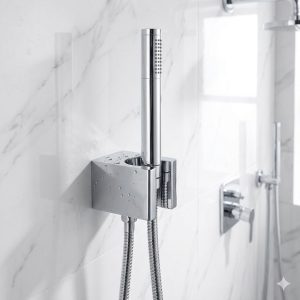
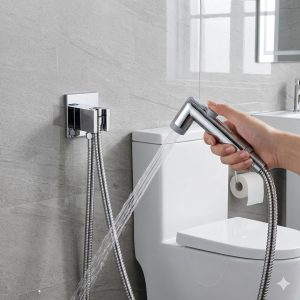
For shower heads, important design decisions include whether the product will be ABS, stainless steel, brass, or a combination of materials; whether it will be a hand shower, rain shower head, shower column component, or complete set; and whether the product needs one spray function or multiple spray patterns. Buyers can review the Hand Shower category and the Rain Shower Head category to compare common product directions before starting an OEM discussion.
What to include in an OEM product brief
- Product type, size, and target market.
- Main material and expected surface finish.
- Spray function, flow preference, and user experience requirements.
- Connection size and regional plumbing expectations.
- Logo position, logo method, and branding requirements.
- Packaging type, carton requirement, and barcode needs.
- Target order quantity, launch schedule, and repeat-order forecast.
Step 2: Engineering Review and Tooling Development
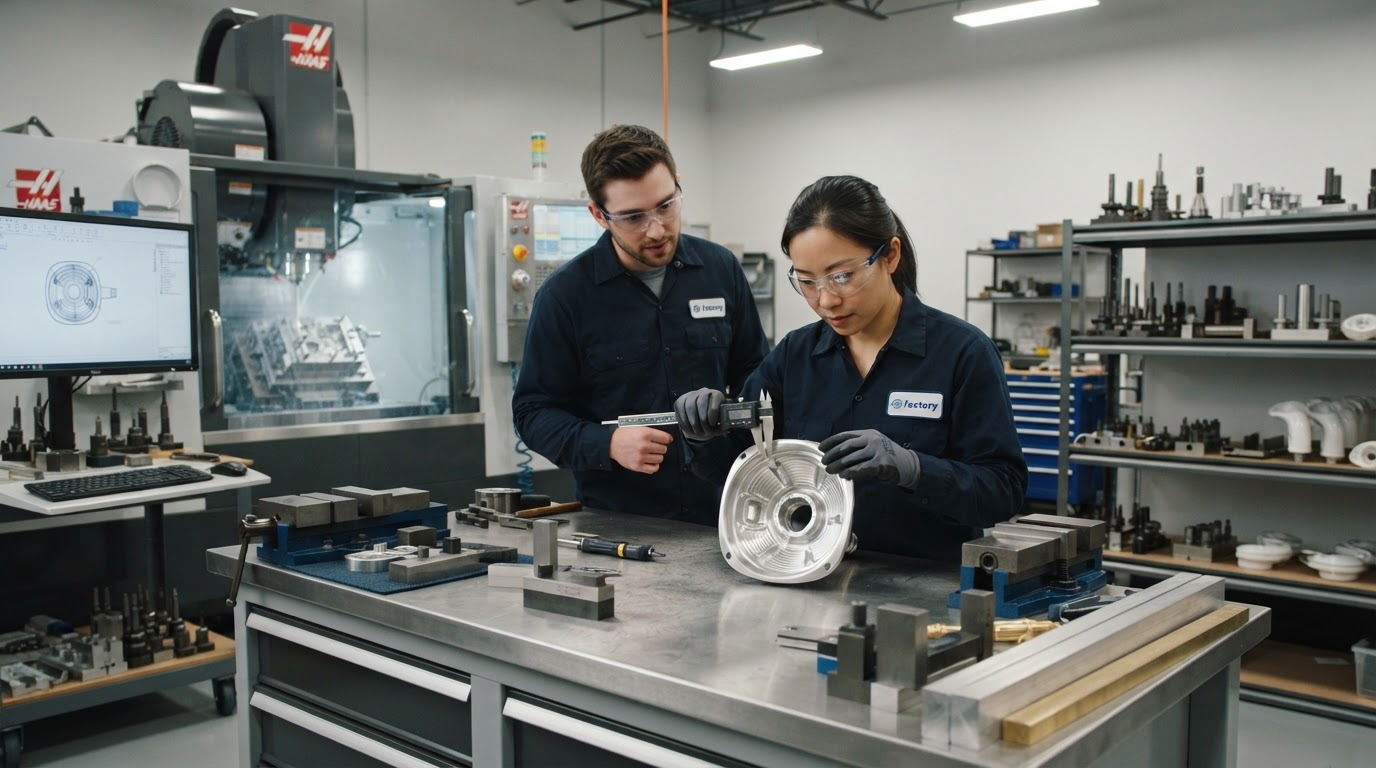
Once the product concept is clear, the manufacturer should review whether the design is practical for production. Engineering review may include wall thickness, waterway structure, nozzle layout, spray face assembly, thread strength, sealing position, and mould feasibility. A design that looks attractive in a drawing may still need adjustment to avoid leakage, weak assembly, difficult polishing, or high defect rates.
If the product requires a new shape or exclusive structure, tooling development becomes one of the most important stages. Tooling investment affects cost, timeline, ownership, and long-term supply control. Buyers should confirm mould cost, sample lead time, expected mould life, ownership terms, and whether the tooling can be used only for their orders. These points should be agreed in writing before development begins.
Tooling questions buyers should ask
| Question | Why it matters | Buyer action |
|---|---|---|
| Is a new mould required? | It affects cost and project schedule. | Ask whether an existing model can be modified first. |
| Who owns the tooling? | Ownership affects exclusivity and future production control. | Confirm the agreement before payment. |
| How long does first sampling take? | Sampling controls product launch timing. | Build extra time for corrections. |
| What design changes are included? | Unclear terms can create extra costs. | Define revision rounds in advance. |
| What is the expected mould life? | Long-term orders require stable tooling. | Ask how maintenance is handled. |
Step 3: Material Selection for OEM Shower Heads
Material choice affects price, weight, durability, finish, and consumer perception. ABS is popular for lightweight and cost-efficient shower heads. Stainless steel is often selected for slim rain shower designs and premium positioning. Brass may be used for certain fittings or higher-end products. Silicone nozzles are commonly used for easy cleaning and spray performance. A professional OEM shower head manufacturer should explain the trade-offs clearly instead of recommending one material for every project.
If your brand is still comparing materials, the article ABS vs Stainless Steel Shower Heads for Wholesale can help explain cost, weight, corrosion resistance, and wholesale use cases. For broader product selection ideas, the Products page also helps buyers understand how different shower products fit into one private label range.
Step 4: Spray Coating, Electroplating, and Surface Finish Control
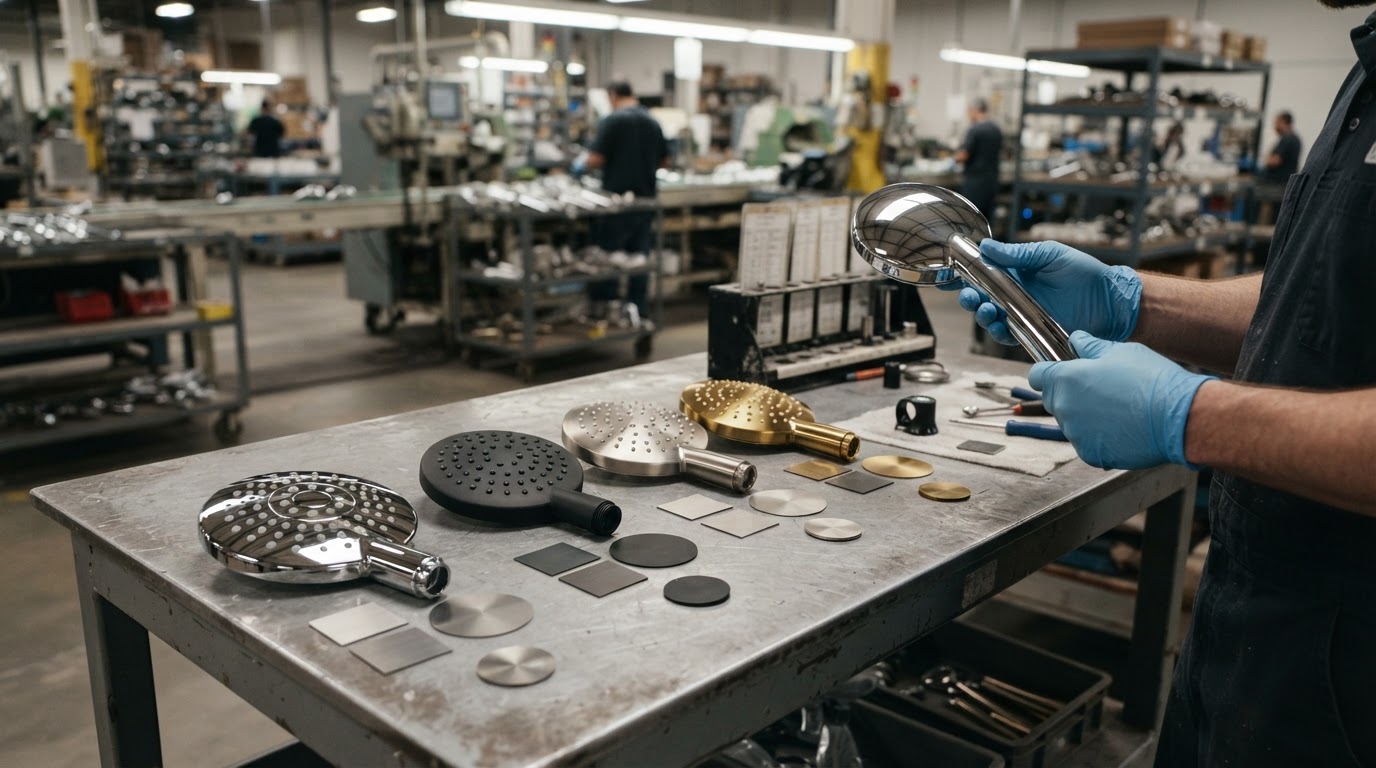
Surface finish is a major part of private label value. Chrome, matte black, brushed nickel, gunmetal, gold, white, and other finishes can help a brand match different bathroom styles. However, every finish has different cost, process, and durability requirements. ABS shower heads may use plating or spray coating. Stainless steel products may use brushing, polishing, electroplating, or coated finishes. The correct process depends on material, design, target price, and market expectations.
Buyers should always approve physical finish samples before bulk production. Photos are useful but not enough because lighting can change colour perception. Keep a signed or clearly labelled approved sample for future comparison. For higher-quality systems, ask the supplier how it checks adhesion, colour difference, surface scratches, corrosion resistance, and cleaning resistance. For general quality system background, the ISO page about ISO 9001 quality management is a helpful non-competitive reference.
Finish approval checklist
- Confirm the exact finish name and approved sample.
- Check colour under natural and indoor lighting.
- Review scratch, adhesion, and corrosion resistance expectations.
- Confirm whether all accessories match the main product finish.
- Keep a reference sample for repeat orders.
Step 5: Logo Customization and Brand Details
Logo customization should be discussed early because it may affect surface finish, tooling, packaging, and sample approval. Common logo methods include laser marking, pad printing, screen printing, engraving, embossed mould logo, metal label, or printed packaging logo. The best method depends on material, finish, order quantity, budget, and desired brand appearance.
For a premium shower head, a subtle laser logo may look cleaner than a large printed logo. For retail packaging, the carton or box may carry stronger brand communication than the product body itself. Buyers should provide vector artwork, colour codes, size requirements, and logo position drawings. If the manufacturer prepares the artwork, the buyer should approve the final proof before production.
Logo details to confirm
- Logo file format and artwork version.
- Logo size, location, and direction.
- Logo method and durability expectation.
- Whether logo approval is included in sample review.
- Whether packaging, manual, and carton marks use the same brand style.
Step 6: Packaging Development for Private Label Shower Products
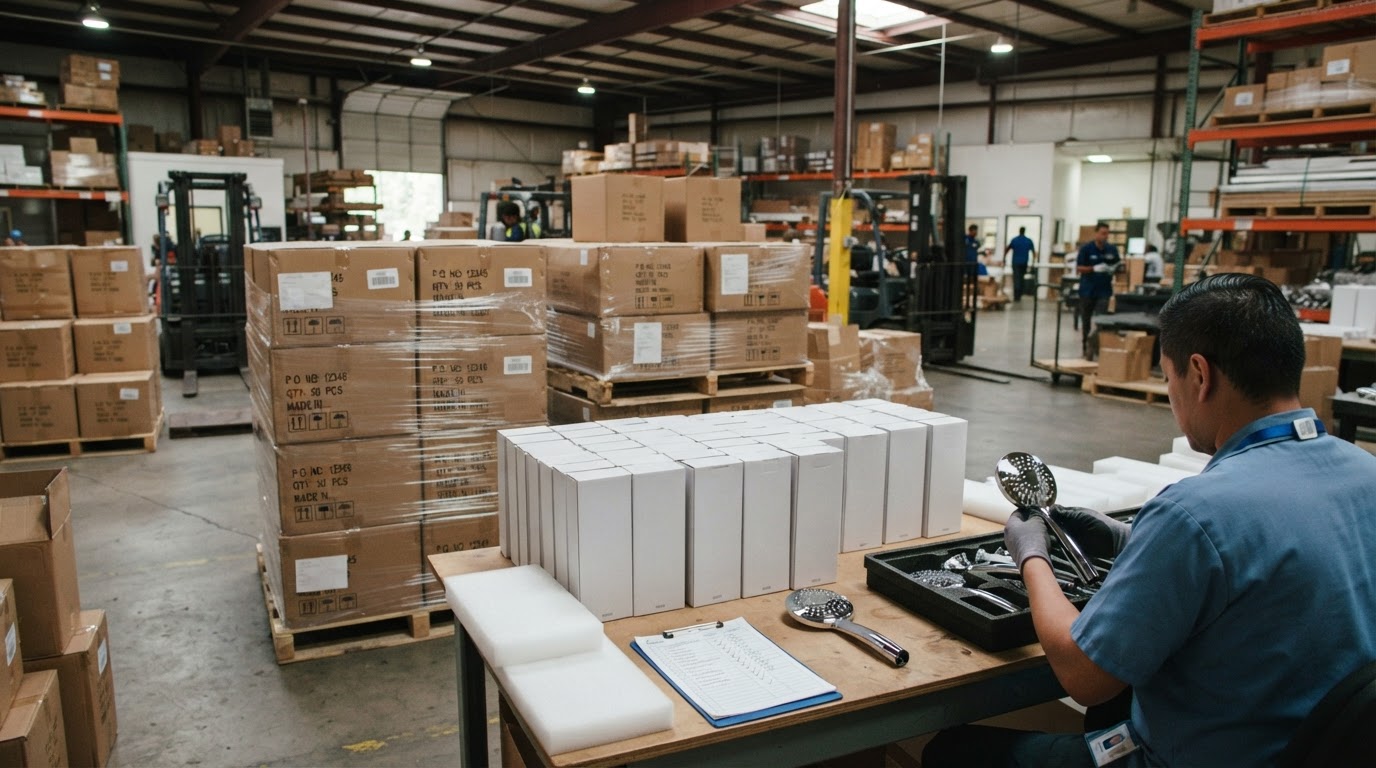
Packaging is not only decoration. It protects the product, communicates the brand, supports retail display, and reduces complaints caused by missing accessories or transport damage. OEM packaging may include colour boxes, kraft boxes, blister cards, instruction manuals, barcode labels, inner cartons, master cartons, and pallet requirements. If your products are sold through online channels, packaging strength and drop protection become even more important.
Buyers should confirm box size, paper material, printing method, accessory layout, manual language, barcode, warning labels, and carton marks. If the product is sold in different countries, check whether multiple languages or local compliance information are required. A packaging mistake can delay shipment or create problems at the warehouse, so artwork approval should be handled carefully.
Step 7: Sampling, Testing, and Quality Control
Sampling is the bridge between design and bulk production. A complete sample review should include appearance, dimensions, finish, logo, spray performance, leakage, packaging, accessories, and instruction materials. Buyers should not approve a sample only because it looks good in photos. When possible, test it with real water pressure, check installation fit, and compare it against the written specification.
Quality control should continue during mass production. Important checkpoints include incoming material inspection, in-process assembly checks, water pressure testing, surface inspection, function testing, packaging inspection, and final random inspection. Bright Showers’ Quality Control page can be used as an internal reference when preparing supplier questions and inspection expectations.
For trade planning and delivery responsibility, buyers may also review the ICC’s explanation of Incoterms rules. This external reference is not a product supplier, but it helps procurement teams discuss shipping terms more accurately with manufacturers and freight partners.
Step 8: Bulk Production and Delivery Management
After the sample is approved, the manufacturer should prepare materials, confirm production schedule, arrange surface finishing, assemble products, inspect quality, pack goods, and prepare shipment. For OEM orders, repeat accuracy is extremely important. The mass production goods should match the approved sample, not only in general appearance but also in finish, logo, packaging, accessories, and performance.
Buyers should ask for production updates at key stages. For example, request photos of materials, finish samples, first finished units, packaging layout, and carton marks. If the order is large or the market is strict, arrange pre-shipment inspection before paying the balance. A reliable OEM shower head manufacturer will understand that documentation and inspection protect both sides.
Documents to prepare before delivery
- Final invoice and packing list.
- Carton quantity, weight, and measurement details.
- Product photos and packing photos.
- Inspection report or internal QC record if required.
- Shipping marks, barcode confirmation, and pallet details.
- Certificates or test reports required by the buyer’s market.
How to Choose the Right OEM Shower Head Manufacturer
The best OEM partner is not always the factory with the lowest quotation. Private label brands should evaluate product experience, engineering ability, finish control, communication quality, sample accuracy, inspection discipline, and delivery reliability. A strong manufacturer will ask detailed questions, explain limitations clearly, and help improve the product before mass production.
If you are still screening suppliers, read Rain Shower Head Guide for product buying factors and compare it with your target product plan. You can also explore related shower product categories such as Shower Column and Shower Faucets if your private label strategy includes complete bathroom solutions.
Conclusion: OEM Manufacturing Is a Complete System
OEM shower head manufacturing is a complete system that connects design, engineering, tooling, materials, surface finishing, logo customization, packaging, quality control, and delivery. Each stage affects the final product and the buyer’s brand reputation. A private label brand should prepare a clear product brief, approve samples carefully, confirm packaging details, and work with a manufacturer that can manage both production and communication professionally.
When you choose an experienced OEM shower head manufacturer, your brand can move from a simple product idea to a repeatable wholesale program with consistent quality and stronger market positioning. The most successful projects are built on clear specifications, transparent cooperation, realistic timelines, and strict quality control from the first sample to the final bulk shipment.